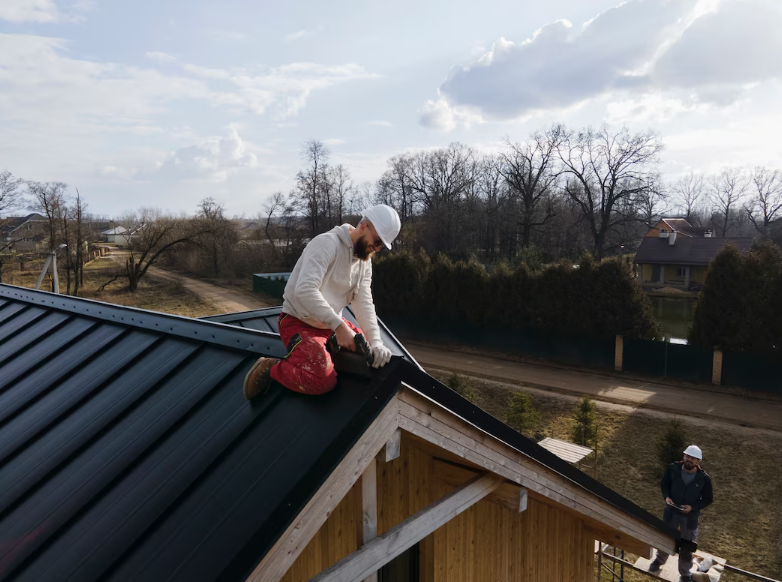
Indoor moisture issues are often blamed on plumbing leaks, humidity, or ventilation problems, but many homeowners overlook one critical source: the roof. When roofing systems are neglected, small defects gradually allow water and moisture to enter the home, creating conditions that affect structural integrity, indoor air quality, and overall comfort. This is why residential roofing experts frequently emphasize preventive maintenance as one of the most important responsibilities of homeownership.
A roof is designed to act as a complete moisture barrier. However, when routine inspections and maintenance are ignored, even minor vulnerabilities can evolve into widespread indoor moisture problems. Understanding how poor roof care contributes to these issues helps homeowners recognize warning signs early and protect their living environment.
Understanding the Connection Between Roof Health and Indoor Moisture
Your roof functions as the primary shield against rain, humidity, and environmental exposure. It works alongside flashing, underlayment, ventilation systems, and insulation to regulate moisture movement.
When any component fails, moisture begins to migrate inward through several pathways:
- Direct water intrusion from leaks
- Condensation caused by poor ventilation
- Capillary action drawing moisture into materials
- Humidity buildup trapped inside attic spaces
Unlike sudden storm damage, moisture problems caused by neglect often develop slowly. This gradual progression makes them harder to detect until visible indoor symptoms appear.
Small Roof Issues That Lead to Big Moisture Problems
Many indoor moisture issues begin with defects that appear insignificant from the outside. Over time, these weaknesses allow water infiltration during rain or humidity fluctuations.
Damaged or Missing Shingles
Shingles form the outer protective layer of a roofing system. When they crack, curl, or go missing, water gains access to underlying materials.
Moisture entering beneath shingles can soak decking and insulation long before stains appear indoors. Repeated exposure allows mold growth and wood deterioration to begin silently.
Worn Roof Flashing
Flashing seals vulnerable roof areas such as chimneys, vents, skylights, and valleys. When flashing corrodes or separates, water easily penetrates these transition points.
Because flashing failures are localized, leaks may travel along beams or rafters before becoming visible, making moisture sources difficult to trace.
Clogged Gutters and Poor Drainage
Gutters play an essential role in directing water away from roofing surfaces. When debris blocks drainage, water backs up under roofing materials.
Common consequences include:
- Water pooling along roof edges
- Increased seepage into fascia boards
- Moisture infiltration near ceilings and walls
Over time, this constant exposure introduces humidity into attic spaces.
How Roof Leaks Increase Indoor Humidity Levels
Not all roof-related moisture problems involve obvious dripping water. Slow leaks often raise indoor humidity without immediate signs.
As water evaporates within insulation or wooden framing, it releases moisture into enclosed areas. This process increases relative humidity levels throughout the home.
Elevated indoor humidity can lead to:
- Condensation on windows and walls
- Musty odors
- Warped wood surfaces
- Increased dust mite activity
Homes with persistent humidity problems may actually be experiencing hidden roof leaks rather than ventilation failures.
The Role of Attic Ventilation in Moisture Control
Roof maintenance extends beyond exterior materials. Attic ventilation directly affects how moisture behaves inside a home.
Proper airflow allows warm, moist air to escape before condensation forms. Poor maintenance often leads to blocked vents or damaged ventilation components.
When ventilation fails:
- Warm air becomes trapped in the attic
- Moisture condenses on rafters and insulation
- Mold growth accelerates
- Structural wood absorbs water over time
This trapped moisture eventually migrates downward, affecting ceilings and living spaces.
See also: Top Builders in Port Macquarie for Quality Home Projects
Insulation Damage Caused by Roof Neglect
Roof leaks and condensation severely impact insulation performance. Wet insulation loses its thermal resistance and becomes a reservoir for moisture.
Once saturated, insulation:
- Retains water for extended periods
- Encourages microbial growth
- Reduces energy efficiency
- Contributes to uneven indoor temperatures
Even after leaks are repaired, compromised insulation may continue releasing moisture into indoor air if not replaced.
Hidden Moisture Pathways Inside Roofing Systems
Water does not always travel straight downward. Roofing structures allow moisture to move laterally through materials before appearing indoors.
Common hidden pathways include:
- Roof decking seams
- Nail penetrations
- Structural joints
- Vapor barrier gaps
Because moisture spreads internally, stains on ceilings may appear far from the original roof problem. This delay often leads homeowners to underestimate the severity of maintenance neglect.
Mold Growth Triggered by Roof Moisture
Moisture and organic materials create ideal conditions for mold development. Roofing systems contain wood, dust, and insulation fibers that support microbial growth once damp.
Mold caused by roof issues typically develops in:
- Attics
- Ceiling cavities
- Wall interiors near rooflines
Early stages may go unnoticed, but prolonged exposure contributes to indoor air quality concerns and persistent odors.
Moisture levels above normal indoor thresholds allow spores to multiply rapidly, especially in warm climates or poorly ventilated homes.
Structural Damage Linked to Long Term Moisture Exposure
Indoor moisture problems extend beyond cosmetic damage. Continuous exposure weakens structural components of a home.
Wood Rot and Decking Deterioration
Roof decking absorbs moisture when leaks persist. Over time, wood fibers break down, reducing load-bearing strength.
Softened decking may eventually cause sagging roof sections or uneven surfaces visible from outside.
Ceiling and Wall Damage
Moisture infiltration affects drywall and ceiling materials by causing:
- Bubbling paint
- Stains and discoloration
- Cracking surfaces
- Material collapse in severe cases
These visible symptoms usually indicate prolonged moisture exposure rather than recent damage.
Seasonal Weather and Maintenance Neglect
Different seasons introduce unique stressors that worsen moisture problems when maintenance is ignored.
During Rainy Seasons
Heavy rainfall exposes weaknesses in roofing materials. Minor defects quickly allow water penetration during sustained storms.
During Winter or Cooler Periods
Temperature differences between indoor and outdoor air promote condensation inside attics. Without proper ventilation and maintenance, moisture accumulates rapidly.
During Hot Weather
Heat accelerates material expansion and contraction, widening cracks and gaps that later permit water entry.
Seasonal transitions highlight how small roofing issues evolve into year round moisture concerns.
Warning Signs of Roof Related Indoor Moisture Problems
Indoor symptoms often appear before homeowners suspect roofing issues. Recognizing early indicators can prevent extensive damage.
Key warning signs include:
- Persistent musty smells
- Peeling paint near ceilings
- Damp attic insulation
- Water stains after rainfall
- Increased indoor humidity without explanation
These symptoms should prompt closer inspection of roofing components rather than focusing solely on interior fixes.
Why Moisture Problems Often Go Undetected
Roof related moisture issues are frequently overlooked because they develop gradually and remain hidden behind surfaces.
Several factors contribute to delayed discovery:
- Attics are rarely inspected regularly
- Leaks may dry between storms
- Moisture spreads internally before appearing
- Indoor humidity changes slowly
Homeowners may attempt to address symptoms such as mold or condensation without resolving the underlying roofing cause.
Long Term Energy Efficiency Consequences
Moisture intrusion affects more than structural durability. It significantly impacts energy performance.
Wet materials transfer heat more efficiently than dry ones, reducing insulation effectiveness. HVAC systems must work harder to maintain comfortable temperatures.
Over time, poor roof maintenance can lead to:
- Higher energy consumption
- Uneven indoor climate control
- Increased strain on heating and cooling systems
These effects often appear gradually, making them difficult to attribute directly to roofing problems.
Preventive Maintenance Practices That Reduce Moisture Risks
Consistent roof care is the most effective way to prevent indoor moisture problems. Maintenance focuses on identifying vulnerabilities before water infiltration occurs.
Important preventive actions include:
- Inspecting roofing materials seasonally
- Clearing gutters and drainage paths
- Checking flashing around penetrations
- Monitoring attic ventilation performance
Routine observation allows small repairs to prevent widespread moisture damage.
The Importance of Professional Roof Inspections
While visual checks from the ground help identify obvious concerns, many moisture risks require trained evaluation.
Professional inspections assess areas homeowners cannot safely or easily examine, including underlayment conditions and ventilation efficiency.
Inspectors often detect early stage moisture intrusion long before interior damage becomes visible. Early identification significantly reduces repair complexity.
How Indoor Air Quality Is Affected by Roof Maintenance
Moisture introduced through roofing problems alters indoor environmental conditions. Damp materials release particles and odors that circulate through ventilation systems.
Potential indoor effects include:
- Increased airborne allergens
- Persistent humidity discomfort
- Odor retention in fabrics and furnishings
Maintaining roof integrity therefore contributes directly to healthier indoor living conditions.
The Chain Reaction of Neglected Roof Maintenance
Poor roof maintenance rarely causes a single isolated problem. Instead, it creates a chain reaction that spreads throughout the home.
A typical progression may look like this:
- Minor roof damage develops
- Moisture enters attic spaces
- Insulation becomes damp
- Humidity levels rise indoors
- Mold and material damage appear
By the time indoor symptoms become obvious, the original roofing issue may have existed for months or years.
Creating a Moisture Resistant Home Through Roof Care
A well maintained roof supports the entire building envelope. It regulates how water, air, and temperature interact within the home.
Moisture control depends on several interconnected factors:
- Waterproof exterior materials
- Functional drainage systems
- Balanced ventilation
- Dry insulation layers
Neglecting any one of these elements increases the likelihood of indoor moisture problems.
Conclusion
Indoor moisture issues often originate where homeowners least expect them. Poor roof maintenance allows water infiltration, condensation buildup, and humidity imbalance that gradually affect insulation, structural components, and indoor air quality. Because roofing systems operate as integrated barriers rather than isolated parts, small maintenance oversights can lead to widespread interior consequences.
Understanding the connection between roof health and indoor moisture empowers homeowners to recognize early warning signs and appreciate the role of regular inspections. Consistent maintenance not only protects roofing materials but also preserves the comfort, safety, and long term durability of the entire home environment.
