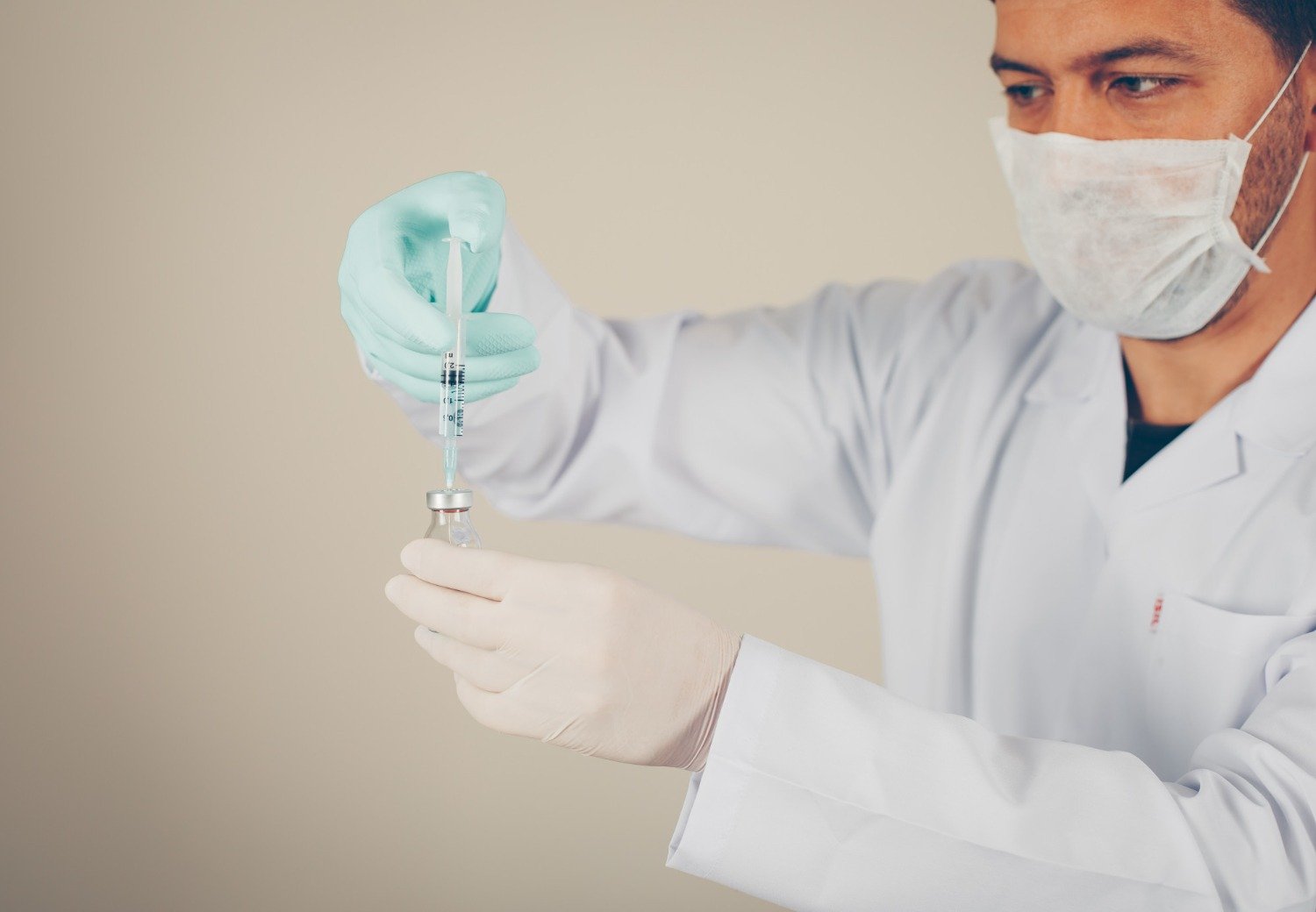
Regenerative medicine is rapidly becoming one of the most discussed areas in modern healthcare and wellness science. Researchers around the world continue studying how the body repairs, restores, and maintains itself at the cellular level. As scientific understanding advances, stem cell IV infusion has emerged as an important topic within regenerative medicine and advanced wellness research.
The growing interest in cellular therapies reflects a broader movement toward personalized health optimization, recovery science, and longevity focused medicine. Scientists are increasingly exploring how stem cells may contribute to tissue repair, cellular communication, and regenerative processes throughout the body.
Although stem cell research remains an evolving field with ongoing scientific investigation, stem cell IV infusion continues attracting attention among researchers, healthcare professionals, and individuals interested in advanced regenerative wellness approaches.
This article explores the science behind stem cell IV infusion, how stem cells function within the body, and why regenerative medicine is becoming one of the most promising frontiers in modern healthcare research.
Understanding Regenerative Medicine
Regenerative medicine focuses on supporting the body’s natural ability to repair and maintain tissues and cellular systems.
Rather than focusing only on symptom management, regenerative science explores how biological processes may contribute to:
• Tissue repair
• Cellular regeneration
• Recovery support
• Inflammatory regulation
• Cellular communication
• Healing related mechanisms
The field combines several areas of advanced science, including:
• Cellular biology
• Stem cell research
• Tissue engineering
• Molecular medicine
• Longevity science
• Regenerative therapies
As scientific understanding continues growing, regenerative medicine is becoming an increasingly important focus within healthcare innovation.
What Are Stem Cells
Stem cells are unique cells with the ability to develop into different types of specialized cells within the body.
Unlike ordinary cells, stem cells possess two important characteristics:
Self Renewal
Stem cells can reproduce and create additional stem cells.
Differentiation Potential
Stem cells may develop into various specialized cell types depending on biological signaling.
Researchers study stem cells because they appear to play important roles in tissue maintenance, cellular repair, and regenerative processes.
Stem cells exist naturally within the body and help support normal biological renewal throughout life.
The Role of Stem Cells in the Body
The body constantly experiences wear, stress, and cellular turnover.
Stem cells help support normal maintenance and repair processes within tissues and organs.
Researchers continue studying how stem cells may influence:
• Tissue repair mechanisms
• Cellular communication
• Inflammatory responses
• Recovery processes
• Regenerative signaling pathways
Stem cell research has become a major area of scientific exploration because of its potential applications within regenerative medicine.
What Is Stem Cell IV Infusion
Stem cell IV infusion is a regenerative medicine approach involving the intravenous administration of stem cell based biological materials.
The infusion delivers stem cells into circulation through an IV line.
Researchers and healthcare professionals continue studying stem cell IV infusion in connection with:
• Cellular wellness
• Regenerative science
• Tissue repair research
• Recovery related therapies
• Longevity focused medicine
• Advanced cellular research
The therapy reflects broader interest in regenerative approaches designed to support biological function at the cellular level.
Why Intravenous Delivery Is Used
Intravenous administration allows substances to enter the bloodstream directly.
This delivery method bypasses the digestive system entirely and allows broad circulation access throughout the body.
Researchers studying stem cell IV infusion are interested in how intravenous administration may support systemic distribution of cellular materials.
Intravenous delivery is commonly used in many medical and wellness therapies because it allows efficient circulation access.
Stem Cell Research and Cellular Communication
Modern regenerative medicine increasingly focuses on cellular communication.
Cells constantly exchange information through signaling molecules, proteins, and extracellular vesicles.
Stem cells appear to influence these communication pathways through biological signaling processes.
Researchers believe stem cells may interact with surrounding tissues through:
• Growth related signaling
• Cellular communication
• Inflammatory response regulation
• Tissue maintenance pathways
Understanding these signaling processes has become a major focus within regenerative medicine research.
The Growing Interest in Longevity Science
Longevity science has become one of the fastest growing areas within modern wellness and healthcare research.
Scientists continue studying factors associated with:
• Healthy aging
• Cellular resilience
• Recovery efficiency
• Tissue maintenance
• Oxidative stress regulation
Stem cell IV therapy has become part of broader conversations surrounding longevity and regenerative health optimization.
As people become more interested in proactive wellness and aging science, regenerative therapies continue receiving greater public attention.
Why Researchers Study Stem Cells
Stem cells have attracted scientific interest because of several important biological properties.
Cellular Flexibility
Stem cells may develop into specialized cells under certain conditions.
Regenerative Potential
Researchers study how stem cells influence repair related processes.
Biological Signaling
Stem cells appear to communicate with surrounding tissues through signaling molecules.
Recovery Related Research
Scientists continue exploring how stem cells may relate to tissue recovery and maintenance.
Advancements in Personalized Medicine
Regenerative therapies are becoming increasingly important within personalized healthcare research.
The field remains highly active with ongoing scientific investigation.
See also: How to Choose a Health Screening Package in Singapore
Stem Cell IV Infusion and Regenerative Wellness Trends
Modern wellness culture increasingly emphasizes advanced recovery and cellular optimization.
Consumers are becoming more interested in:
• Preventive wellness
• Longevity focused care
• Regenerative therapies
• Cellular wellness
• Recovery optimization
• Personalized health strategies
Stem cell IV infusion reflects this larger movement toward biologically focused wellness approaches.
Many individuals interested in regenerative medicine closely follow developments in stem cell science.
The Relationship Between Aging and Cellular Function
Aging affects many biological systems throughout the body.
Over time, changes may occur in:
• Cellular communication
• Tissue maintenance
• Recovery efficiency
• Inflammatory balance
• Regenerative capacity
Researchers studying aging science often explore how stem cells and regenerative pathways may influence long term wellness and tissue function.
This connection between regenerative biology and aging has contributed significantly to public interest in stem cell IV infusion.
Potential Areas of Scientific Research
Stem cell research continues expanding across multiple scientific fields.
Researchers are studying stem cells in connection with:
• Regenerative medicine
• Tissue engineering
• Cellular biology
• Recovery science
• Longevity research
• Immune system communication
• Inflammatory signaling pathways
Although the science remains complex and evolving, regenerative medicine continues becoming a major focus within healthcare innovation.
What Happens During a Stem Cell IV Infusion Session
A stem cell IV infusion session typically begins with a detailed medical consultation and evaluation.
The healthcare provider may review:
• Medical history
• Wellness goals
• Current health conditions
• Recovery objectives
• Eligibility considerations
After evaluation, the intravenous infusion process begins.
A sterile IV line is inserted into a vein, usually in the arm or hand.
The infusion is administered gradually under professional supervision.
Treatment duration may vary depending on the specific protocol and infusion plan.
During the session, individuals typically rest quietly while being monitored by healthcare professionals.
The Importance of Professional Medical Oversight
Because regenerative medicine involves advanced biological therapies, professional oversight is essential.
Reputable providers prioritize:
• Licensed medical professionals
• Sterile procedures
• Evidence based protocols
• Medical evaluations
• Patient safety monitoring
Individuals interested in stem cell IV infusion should always seek guidance from qualified healthcare professionals experienced in regenerative medicine.
Challenges and Ongoing Scientific Research
While excitement surrounding regenerative medicine continues growing, stem cell science remains an evolving area of research.
Scientists continue studying important questions related to:
• Treatment protocols
• Long term safety
• Clinical applications
• Biological mechanisms
• Standardization practices
• Regulatory considerations
Further scientific investigation is necessary to better understand how stem cell therapies may be used in future healthcare settings.
The Future of Personalized Regenerative Medicine
Healthcare is increasingly moving toward personalized approaches designed around individual biology and wellness needs.
Regenerative medicine reflects this shift toward more targeted and biologically informed therapies.
Future advancements may continue focusing on:
• Cellular therapies
• Tissue engineering
• Recovery optimization
• Precision medicine
• Longevity focused care
• Advanced regenerative science
Stem cell IV infusion represents one area within this broader evolution of modern healthcare research.
Why Cellular Wellness Continues Gaining Attention
Modern wellness culture increasingly focuses on supporting the body at the cellular level.
Consumers are becoming more aware of the role cellular function plays in:
• Energy production
• Recovery processes
• Aging
• Tissue maintenance
• Overall wellness balance
This growing awareness has contributed to rising interest in regenerative medicine and advanced wellness therapies.
Stem cell IV infusion reflects the larger movement toward understanding health through cellular biology and regenerative science.
Final Thoughts
Stem cell IV infusion represents one of the most discussed and rapidly evolving areas within regenerative medicine and advanced healthcare research. Stem cells play important roles in cellular communication, tissue maintenance, and biological repair processes, making them a major focus of scientific investigation.
As researchers continue studying regenerative science, stem cell IV infusion remains part of broader conversations surrounding longevity, personalized medicine, and cellular wellness optimization. Although the field continues evolving and requires ongoing research, regenerative medicine reflects the growing scientific interest in understanding how the body repairs, restores, and maintains itself at the cellular level.
The future of regenerative medicine may continue reshaping how healthcare approaches recovery, wellness, and long term biological function in the years ahead.
