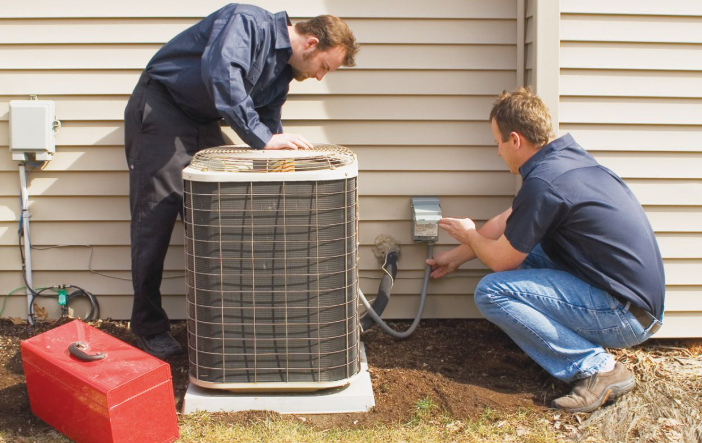
Homes with limited return air paths often feel uncomfortable in ways that seem hard to explain. One room may stay stuffy, another may feel too warm, and doors may even push back when someone tries to close them. These problems are not always caused by weak heating or cooling equipment. In many cases, the system is producing conditioned air, but the home cannot move that air back through the return side efficiently. An HVAC contractor helps identify hidden airflow imbalances and recommends changes to support steadier temperatures, better circulation, and a more comfortable living environment throughout the home every day.
Better Airflow Begins
Finding How Limited Return Air Affects the Whole House
An HVAC contractor helps improve comfort by first identifying how limited return-air paths affect the overall airflow cycle in the home. Many homeowners focus on supply vents because that is where heated or cooled air enters the room, but the return side is just as important. If air cannot move back to the system easily, pressure builds in certain rooms and circulation begins to break down. That can leave bedrooms stuffy, hallways uneven, and distant spaces slower to heat or cool. A contractor can check whether doors are closing off airflow, whether return grilles are too small, and whether the house has enough pathways for air to move freely. This matters because the HVAC system depends on balance. When return airflow is limited, the equipment may still run, but the home may never feel as comfortable as it should. By tracing how air moves from room to room, the contractor can show why the discomfort is happening and where the restrictions are making the biggest difference.
See also: Aligning Technology With Business Success
Improving Room-to-Room Balance Without Guesswork
A contractor also helps by comparing which rooms receive conditioned air easily and which rooms struggle because there is no clear return path. In homes with closed bedrooms, home offices, or additions, air may enter the room normally but become trapped once the door is shut. That trapped air can change the pressure in the room and reduce how much conditioned air continues to enter through the supply vent. Homeowners in Royston dealing with uneven airflow may notice these problems more clearly during hotter afternoons or colder nights, when one side of the house feels completely different from another. An HVAC contractor can inspect door undercuts, transfer grilles, jump ducts, return placement, and airflow pressure to determine what kind of improvement would help restore balance. This approach matters because many comfort problems are misread as equipment failure when the real issue is poor air circulation between rooms. Instead of guessing, the contractor uses the house’s layout and the actual movement of air to guide practical changes that help each room feel more stable.
Reducing Strain on the System While Improving Comfort
Limited return air paths do not only affect comfort. They can also place extra strain on the HVAC system itself. When air has trouble returning, the blower may work harder to pull enough air through the system, and the equipment may run longer to satisfy the thermostat. That extra effort can lead to weak airflow, longer cycles, noisy operation, and uneven indoor temperatures that tempt homeowners to keep adjusting the thermostat. An HVAC contractor checks static pressure, blower performance, duct restrictions, filter condition, and return sizing to determine whether the system is under stress. Once those issues are identified, the contractor can recommend changes that support both comfort and equipment performance. This is important because a home that feels uncomfortable may also waste energy while the system struggles with an airflow problem that is never corrected. Better return paths can help the equipment breathe more normally, deliver air more evenly, and complete healthier heating and cooling cycles without unnecessary strain on major components.
Matching Solutions to the Home’s Layout and Daily Use
Every home handles return air differently, which is why a contractor’s guidance is useful when choosing a solution. Some homes may benefit from adding return grilles in key areas. In contrast, others may improve with transfer grilles, jump ducts, pressure relief pathways, or simple layout adjustments that help air move back toward the main return more easily. In some cases, the issue may be tied to furniture placement, blocked grilles, undersized ductwork, or renovations that changed how rooms connect. An HVAC contractor helps sort through those possibilities and match the solution to the home’s actual structure. That matters because the goal is not only to move more air. The goal is to make the home feel more balanced during daily living. Bedrooms should feel more comfortable with the door closed, living spaces should not compete with other rooms for airflow, and the thermostat should reflect conditions more accurately across the house. A layout-based solution can make the home feel calmer, steadier, and easier to manage in every season.
An HVAC contractor helps improve comfort in homes with limited return air paths by identifying trapped air, reducing pressure imbalances, improving room-to-room airflow, and matching solutions to the home’s layout. These problems often feel like weak heating or cooling, but the real issue is frequently the return side of the system. When air cannot move back properly, comfort suffers, and the equipment may work harder than necessary. With the right evaluation and airflow improvements, rooms can feel more balanced, temperatures can hold more consistently, and the HVAC system can support the home as it was meant to, from season to season.
