Natural light is a key element in modern architecture, enhancing both the appearance and functionality of interior spaces. While flat rooflights are commonly used in horizontal roof structures, pitched rooflights are specifically designed for sloped or angled roofs. They provide an effective way to introduce daylight into attics, loft conversions, and buildings with pitched roofing systems.
In this guide, we’ll explore what pitched rooflights are, their benefits, types, applications, and key considerations when choosing the right solution.
What Are Pitched Rooflights?
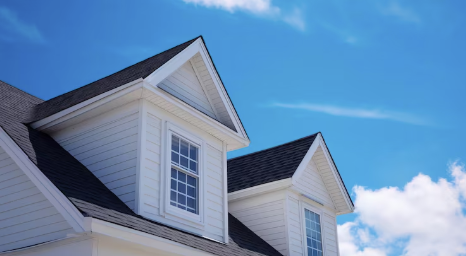
Pitched rooflights are glazed units installed on sloped roofs, typically at an angle that matches the pitch of the roof itself. They are designed to integrate seamlessly into pitched roofing systems while allowing natural light to enter the interior space below.
Unlike flat rooflights, pitched rooflights follow the angle of the roof, making them ideal for properties with gabled, slanted, or angled roof structures.
Key Benefits of Pitched Rooflights
1. Maximum Natural Daylight
Pitched rooflights are highly effective at capturing sunlight throughout the day. Their angled position allows them to receive more direct light compared to vertical windows, especially in lofts or upper floors.
2. Improved Ventilation (in opening models)
Some pitched rooflights are designed to open, allowing fresh air to circulate while hot air escapes. This helps regulate indoor temperatures and improve air quality.
3. Enhanced Aesthetic Appeal
Pitched rooflights add a stylish and architectural feature to buildings. They blend naturally with sloped roofs and can significantly enhance both exterior and interior design.
4. Increased Property Value
Adding pitched rooflights can make spaces more attractive and functional, particularly in loft conversions or extensions, which may increase overall property value.
5. Energy Efficiency
By increasing natural light, pitched rooflights reduce the need for artificial lighting during the day. Many modern units also include insulated glazing to help maintain indoor temperatures.
Types of Pitched Rooflights
Fixed Pitched Rooflights
These are non-opening units designed solely for daylight entry. They are ideal for spaces where ventilation is not required.
Opening Pitched Rooflights
These rooflights can be opened manually or electronically to provide both light and airflow. They are commonly used in living areas, kitchens, and loft conversions.
Top-Hung Rooflights
These open outward from the top hinge, allowing for maximum ventilation and easy cleaning access.
Center-Pivot Rooflights
These rotate around a central hinge, making them easy to operate and clean. They are one of the most popular types for pitched roofs.
Conservation Rooflights
Designed for heritage or period properties, these rooflights maintain a traditional appearance while incorporating modern glazing technology.
Common Applications
Pitched rooflights are widely used in various building types, including:
- Residential homes (loft conversions, attics, bedrooms)
- Extensions with pitched roofs
- Commercial office spaces
- Educational buildings
- Hospitality venues such as hotels and lodges
They are especially useful in upper-floor spaces where vertical windows are limited or unavailable.
Design Features to Consider
Glazing Type
Double or triple glazing improves thermal insulation and energy efficiency. Low-emissivity coatings can further enhance performance.
Frame Material
Frames are typically made from materials like aluminum or timber-aluminum combinations, offering durability and aesthetic flexibility.
Size and Placement
Proper sizing and positioning are essential to maximize daylight while avoiding glare or overheating.
Weather Resistance
Pitched rooflights must be designed to withstand rain, wind, and snow. High-quality sealing and flashing systems ensure they remain watertight.
Ventilation Options
If airflow is important, consider opening rooflights with manual or electric controls.
See also: Home Gym Installation Services in Canada: Transform Your Space for Fitness
Installation Considerations
Installing pitched rooflights requires careful planning and professional expertise. Important factors include:
- Ensuring compatibility with the roof structure and pitch angle
- Proper flashing to prevent leaks
- Correct alignment for optimal daylight distribution
- Compliance with building regulations and safety standards
Professional installation ensures long-term performance and reduces the risk of issues such as leaks or poor insulation.
Maintenance and Longevity
Pitched rooflights are relatively low-maintenance, but regular care helps maintain their condition:
- Clean the glass periodically to maintain clarity
- Inspect seals, flashing, and frames for wear
- Check for debris buildup around the rooflight
- Ensure proper drainage on the roof
With proper maintenance, pitched rooflights can last for many years while maintaining their performance and appearance.
Advantages Over Other Rooflight Types
Compared to flat or dome rooflights, pitched rooflights offer:
- Better integration with sloped roofs
- More natural alignment with the building structure
- Enhanced daylight capture due to angle positioning
- A wide range of opening and design options
They are particularly suitable for homes with pitched roofs where flat rooflights cannot be installed effectively.
Final Thoughts
Pitched rooflights are an excellent solution for bringing natural light into buildings with sloped roofs. Their ability to enhance daylight, improve ventilation, and complement architectural design makes them a popular choice for both residential and commercial projects.
Whether you are converting a loft, extending your home, or designing a new building, pitched rooflights can transform dark or underutilized spaces into bright, functional, and visually appealing areas. By choosing the right type, materials, and installation approach, you can ensure long-lasting performance and maximum benefit.
In modern architecture, pitched rooflights continue to play an important role in creating comfortable, energy-efficient, and well-lit environments.