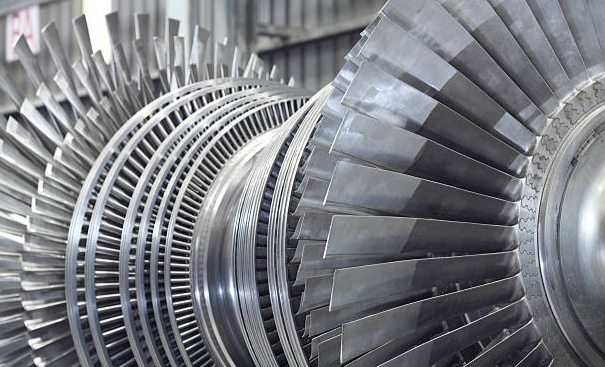
Steam turbines are the heart of power generation, converting thermal energy into mechanical rotation that drives electricity production. At the core of this process are steam turbine blades, which are exposed to extreme temperatures, pressures, and rotational speeds. Over time, these conditions cause wear, distortion, and fatigue that can severely impact performance and safety.
Ignoring early symptoms of blade damage can lead to forced outages, expensive component failures, and even catastrophic turbine breakdowns. That’s why proactive steam turbine blades repair is one of the most cost-effective strategies for protecting power plant reliability.
Below are the seven critical warning signs every plant should monitor—and what they mean for turbine blade health.
1. Rising Vibration Levels
One of the earliest and most reliable indicators of turbine blade problems is an increase in vibration.
Why it happens
Damaged or eroded blades lose mass or become misaligned, creating rotor imbalance. Even a slight imbalance at high rotational speeds can generate excessive vibration throughout the turbine and generator.
What it means
If vibration trends upward over time, it may signal:
- Blade cracking
- Tip erosion
- Root wear
- Loose or shifted blades
Unchecked vibration accelerates bearing wear and shaft fatigue, increasing the risk of major mechanical failure. Early steam turbine blades repair can rebalance the rotor and prevent secondary damage.
2. Declining Power Output or Efficiency
When blades are damaged, they can no longer convert steam energy efficiently into rotational force.
Symptoms include:
- Reduced megawatt output
- Higher heat rate
- Increased fuel consumption
- Lower overall turbine efficiency
What’s happening inside
Blade profile distortion, erosion, or surface roughness disrupts smooth steam flow. This causes energy losses and turbulence, forcing the turbine to work harder for the same output.
Precision steam turbine blades repair restores blade geometry and surface finish, improving steam flow and recovering lost performance without the cost of new blades.
3. Unusual Noise or Audible Changes
Steam turbines normally operate with a consistent sound profile. When blade damage begins, operators may notice:
- Whining
- Rattling
- Humming
- Irregular tonal shifts
These sounds often come from:
- Blade vibration
- Contact with stationary components
- Flow disturbances caused by cracked or bent blades
Ignoring these acoustic warnings can allow minor blade defects to grow into severe failures. Investigating early through inspection and repair minimizes downtime and risk.
4. Visible Damage During Inspection
Routine borescope or outage inspections often reveal physical blade issues such as:
- Cracks
- Pitting
- Leading-edge erosion
- Bent or chipped tips
- Corrosion
These defects typically result from:
- Moisture and contaminants in steam
- Foreign object damage (FOD)
- Thermal cycling
- Long-term fatigue
Even small imperfections can propagate quickly under turbine operating conditions. Proactive steam turbine blades repair prevents these flaws from turning into blade liberation events that could destroy downstream stages.
5. Increased Steam Leakage and Pressure Loss
Damaged blades create gaps and airflow disturbances that allow steam to bypass the intended energy-transfer path.
Warning signs include:
- Pressure drops across stages
- Reduced stage efficiency
- Higher exhaust temperatures
- Poor sealing performance
This steam leakage not only lowers output but also increases fuel costs and thermal stress on turbine components. Proper blade refurbishment and profile restoration can dramatically reduce leakage and restore optimal flow paths.
See aslo: From Drab to Fab: Transforming Flat Roofs with Stylish Rooflights
6. Repeated Forced Outages or Maintenance Interventions
If your plant experiences frequent turbine trips or unplanned shutdowns, blade condition should be one of the first areas investigated.
Blade-related issues often cause:
- Overspeed conditions
- Vibration trips
- Temperature excursions
- Rotor instability
Rather than treating symptoms repeatedly, targeted steam turbine blades repair addresses the root cause, stabilizing turbine operation and extending the maintenance interval.
7. Failing Non-Destructive Testing (NDT) Results
Modern inspection methods can detect internal and surface blade defects before they become visible.
These include:
- Ultrasonic testing
- Eddy current testing
- Magnetic particle inspection
- Dye penetrant testing
If NDT reveals:
- Subsurface cracks
- Material thinning
- Root stress fractures
- Metallurgical defects
Immediate repair or refurbishment is required. Waiting until failure risks severe secondary damage to rotors, casings, and adjacent blade rows.
Why Early Steam Turbine Blades Repair Matters
Delaying blade repair often leads to much higher costs down the line. A single blade failure can:
- Damage neighboring blades
- Strike turbine casings
- Unbalance the rotor
- Destroy seals and bearings
- Force long-term outages
By contrast, timely steam turbine blades repair offers:
- Lower capital cost than replacement
- Shorter outage duration
- Restored efficiency and output
- Improved operational safety
- Extended blade and rotor life
Advanced repair techniques such as precision welding, laser cladding, machining, and protective coating allow damaged blades to meet or exceed original OEM specifications.
Repair vs. Replacement: Making the Smart Choice
In most cases, repairing turbine blades is far more economical than replacing them, especially for:
- Erosion damage
- Tip wear
- Minor cracking
- Surface degradation
Replacement is usually only required when:
- Structural integrity is lost
- Material fatigue is beyond limits
- Blade roots are severely damaged
A professional inspection and engineering evaluation helps determine the best path forward while minimizing downtime and lifecycle cost.
Protect Your Turbine Before Failure Strikes
Steam turbine blades operate in one of the harshest environments in power generation. The warning signs of blade distress are often subtle at first—but ignoring them can lead to catastrophic outcomes.
By monitoring vibration, efficiency, noise, inspection results, and performance trends, power plants can detect problems early and take action through professional steam turbine blades repair.
This proactive approach keeps turbines running safely, efficiently, and profitably—maximizing the value of one of your most critical assets.