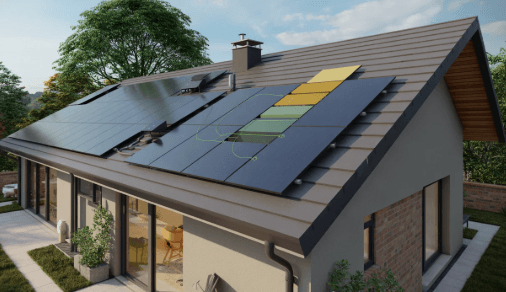
Solar panels rely on consistent exposure to sunlight to generate electricity, making shading one of the most important factors influencing their performance. Even partial shading can disrupt the flow of energy production, reducing overall efficiency in ways that are not always immediately visible. Many homeowners assume that only large obstructions matter, but even small shadows can affect how panels function. Understanding how shading interacts with solar systems helps explain why careful planning is essential during installation. By recognizing the sources and effects of shading, it becomes easier to design systems that maintain steady energy output and support long-term reliability.
How Shadows Affect Solar Performance
Partial Shading Can Disrupt Entire Panel Output
One of the lesser-known aspects of solar energy systems is their sensitivity to partial shading. Solar panels are made up of interconnected cells, and even a small portion of the panel being shaded can affect the performance of the entire unit. This occurs because the electrical flow is interrupted, causing a drop in output that extends beyond the shaded area. Instead of losing only the energy from the affected cells, the system may experience a broader reduction in efficiency. Understanding this behavior is important when evaluating installation sites, as even minor obstructions can have a noticeable effect on energy production.
Nearby Structures Create Consistent Shading Patterns
Buildings, walls, and other nearby structures can cast shadows that change throughout the day. These patterns may seem insignificant at first, but they can reduce solar output over time. The position of the sun shifts with the seasons, meaning that areas that appear unobstructed in one part of the year may experience shading in another. Working with a company such as North Valley Solar Power near Davis can help identify these patterns and plan panel placement accordingly. By analyzing how shadows move across a property, it becomes possible to minimize their impact and maintain more consistent energy production.
Tree Growth Alters Long-Term Solar Efficiency
Trees are a common source of shading that can change over time. While a young tree may not initially affect solar panels, its growth can gradually introduce new shading challenges. Branches and leaves can block sunlight at different times of the day, reducing the amount of energy generated. Seasonal changes also play a role, as trees may provide more shade during certain months. Homeowners need to consider both current and future conditions when planning solar installations. Managing tree growth or selecting installation areas with minimal obstruction helps ensure that panels continue to perform effectively over the long term.
Orientation and Tilt Influence Shading Impact
The orientation and tilt of solar panels determine how they interact with sunlight and surrounding shadows. Panels positioned to maximize sun exposure are less likely to be affected by shading. However, if panels are installed at less optimal angles, even small shadows can have a greater impact on performance. Proper positioning helps reduce the likelihood of shading during peak sunlight hours, which are critical for energy production. By carefully considering orientation and tilt, installers can improve system efficiency and reduce the effects of unavoidable obstructions.
Shading Reduces Overall System Efficiency
When shading affects individual panels, it can also influence the performance of the entire solar system. In systems where panels are connected in series, the output of the entire array may be limited by the weakest panel. This means that shading on one panel can reduce the efficiency of others, leading to a larger overall impact. Understanding this relationship highlights the importance of minimizing shading across all panels. By addressing potential shading issues during the planning phase, homeowners can avoid significant reductions in energy output and ensure that their system operates as efficiently as possible.
Technological Solutions Help Manage Shading Effects
Advancements in solar technology have introduced solutions that help reduce the impact of shading. Devices such as microinverters and power optimizers allow individual panels to operate more independently, limiting the effect of shading on the overall system. These technologies can improve performance in environments where some shading is unavoidable. While they do not eliminate shading, they help maintain more consistent energy production by reducing the influence of affected panels. Incorporating these solutions into a solar system design can provide greater flexibility and improve overall efficiency in challenging conditions.
See also: Top Builders in Port Macquarie for Quality Home Projects
Site Evaluation Is Key to Minimizing Shading
A thorough site evaluation is essential for identifying potential shading issues before installation begins. This process involves analyzing the surrounding environment, including structures, vegetation, and landscape features that may cast shadows. By understanding how these elements interact with sunlight, installers can determine the most suitable locations for panels. Site evaluation also helps identify opportunities to reduce shading, such as trimming trees or adjusting panel placement. Taking these steps early ensures the solar system is designed to perform effectively from the start, minimizing future shading-related challenges.
Reducing Shading Improves Long-Term Output
Shading is one of the most significant factors affecting solar energy output, and its impact can extend beyond immediate performance. By understanding how shadows affect solar panels, homeowners can take steps to minimize their impact and maintain consistent energy production. Proper planning, thoughtful placement, and the use of supportive technologies all contribute to minimizing shading effects. Addressing these factors early ensures that solar systems operate efficiently over time, providing reliable energy and supporting long-term sustainability.
