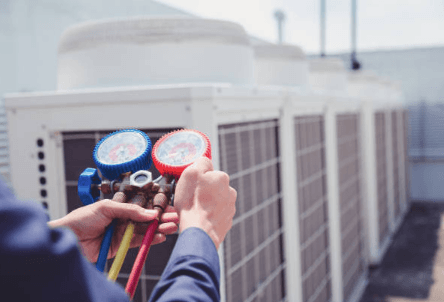
The Growing Need for Efficient Cooling in Large Spaces
Industrial and commercial environments such as factories, warehouses, and event spaces face a common challenge: maintaining a comfortable and productive indoor temperature despite large open areas, high occupancy, and heat generating equipment. Traditional air conditioning systems often struggle to deliver efficient cooling in such demanding environments because of high energy consumption and limited coverage capacity.
This is why modern air cooling solutions have become essential for businesses that want to balance performance, cost efficiency, and sustainability. These systems are designed specifically for large scale environments while keeping operational expenses under control.
From manufacturing units to logistics hubs and exhibition centers, effective cooling is no longer a luxury. It is a necessity for productivity, safety, and customer experience.
What Are Air Cooling Solutions?
Air cooling solutions refer to a range of systems designed to reduce temperature and improve airflow in indoor and semi open spaces using energy efficient methods. Unlike traditional air conditioners that rely on refrigerants and compressors, many modern cooling systems use evaporative technology or high volume airflow mechanisms.
These systems work by drawing in warm air, cooling it through water evaporation or airflow displacement, and distributing it evenly across large areas. This process not only lowers temperature but also improves ventilation and air quality.
Common types of air cooling solutions include:
- Industrial air coolers
- Evaporative cooling systems
- Portable high velocity coolers
- Ducted cooling units
- Ventilation based cooling systems
Each solution is designed to meet specific environmental and operational requirements.
Why Factories Need Advanced Air Cooling Solutions
Factories are among the most challenging environments to cool due to constant machinery operation, heat emissions, and high worker density. Without proper cooling, productivity and safety can be significantly affected.
Maintaining Worker Productivity
Excessive heat in industrial settings can lead to fatigue, dehydration, and reduced concentration. This directly impacts productivity and increases the risk of workplace accidents.
Effective air cooling solutions help maintain a stable temperature, ensuring workers remain comfortable and focused throughout their shifts.
Protecting Machinery and Equipment
High temperatures can also affect industrial machinery, leading to overheating, reduced efficiency, and frequent breakdowns. Proper cooling helps extend equipment lifespan and reduces maintenance costs.
Improving Air Quality
Factories often contain dust, fumes, and airborne particles. Advanced cooling systems improve ventilation and air circulation, helping maintain a healthier working environment.
Warehouses Require Scalable Cooling Systems
Warehouses are typically large, open structures that store goods, raw materials, or finished products. Due to their size and layout, they require powerful and scalable cooling systems.
Preventing Heat Build Up
Heat accumulation in warehouses can damage temperature sensitive goods such as food products, pharmaceuticals, and electronics.
Reliable air cooling solutions help maintain stable storage conditions and protect inventory quality.
See also: Aligning Technology With Business Success
Enhancing Employee Comfort
Warehouse workers often perform physically demanding tasks. A cooler environment improves comfort, reduces fatigue, and increases efficiency.
Energy Efficient Cooling for Large Areas
Traditional air conditioning is often impractical for warehouses due to high ceiling heights and open layouts. Modern cooling systems provide targeted airflow that covers large spaces without excessive energy usage.
Event Spaces Demand Flexible Cooling Systems
Event spaces such as banquet halls, exhibition centers, and conference venues host large crowds, making temperature control a critical factor in guest experience.
Ensuring Guest Comfort
Crowded environments naturally generate heat. Without proper cooling, guests may feel uncomfortable, affecting their overall experience.
Efficient air cooling solutions ensure consistent airflow and temperature control throughout the venue.
Supporting Different Event Types
Event spaces host a variety of functions, including weddings, corporate events, trade shows, and cultural gatherings. Each event has different cooling requirements, making flexibility essential.
Modern cooling systems can be adjusted based on crowd size and venue layout.
Quick Installation and Portability
Many event spaces require temporary or adaptable cooling setups. Portable cooling systems allow organizers to quickly install and reposition units as needed.
Key Benefits of Modern Air Cooling Solutions
Energy Efficiency
One of the biggest advantages of modern air cooling solutions is their low energy consumption. Unlike conventional air conditioning systems, they rely on fans and natural evaporation, significantly reducing electricity usage.
Benefits include:
- Lower operational costs
- Reduced energy bills
- Sustainable performance
- Minimal environmental impact
Cost Effective Operation
Businesses operating large facilities benefit from reduced installation and maintenance costs. These systems are generally more affordable to install and maintain compared to traditional HVAC systems.
Eco Friendly Technology
Modern cooling systems are designed with sustainability in mind. They do not use harmful refrigerants and consume less power, making them environmentally responsible choices.
Improved Air Circulation
Good ventilation is essential in large spaces. These systems continuously circulate fresh air, improving indoor air quality and reducing stale or polluted air buildup.
Scalable for Large Spaces
Whether it is a small warehouse or a massive factory, air cooling systems can be scaled according to space requirements, making them highly versatile.
Choosing the Right Air Cooling Solution
Selecting the right system requires careful evaluation of environmental and operational needs.
Assess Space Size
The total area and ceiling height determine the cooling capacity required. Larger spaces need high airflow systems for effective coverage.
Identify Heat Sources
Factories with heavy machinery or warehouses with dense storage require stronger cooling solutions due to higher heat generation.
Evaluate Airflow Capacity
Airflow determines how effectively cool air is distributed. Higher airflow ensures uniform cooling across large spaces.
Consider Energy Efficiency
Energy efficient systems help reduce long term operational costs and improve sustainability performance.
Maintenance Requirements
Easy maintenance ensures long term reliability. Systems with accessible components and durable parts are ideal for industrial environments.
Common Mistakes to Avoid
When selecting air cooling solutions, businesses often make mistakes that affect performance.
Choosing Undersized Systems
A system that is too small will struggle to cool large spaces effectively.
Ignoring Ventilation Needs
Proper airflow is essential. Without adequate ventilation, cooling performance decreases significantly.
Overlooking Maintenance
Neglecting maintenance can reduce efficiency and shorten system lifespan.
Focusing Only on Initial Cost
Low cost systems may lead to higher long term expenses due to poor efficiency or frequent repairs.
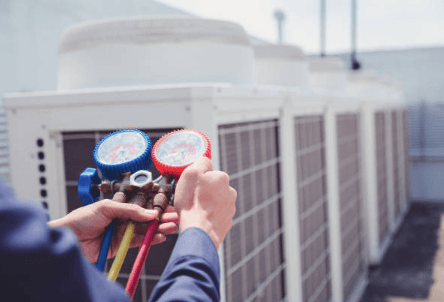
How Air Cooling Improves Business Efficiency
Effective cooling directly impacts overall business performance in multiple ways:
- Increased worker productivity
- Reduced equipment downtime
- Improved product storage conditions
- Better customer experience in event spaces
- Lower operational costs
By maintaining a comfortable environment, businesses can operate more efficiently and safely.
Future Trends in Air Cooling Technology
The future of air cooling solutions is driven by innovation and sustainability.
Emerging trends include:
- Smart cooling systems with automation
- IoT based temperature monitoring
- Advanced energy efficient motors
- Hybrid cooling technologies
- Improved airflow optimization designs
These advancements will continue to improve performance while reducing energy consumption.
Conclusion
Efficient cooling is essential for factories, warehouses, and event spaces to maintain productivity, protect assets, and ensure comfort. Modern air cooling solutions offer a practical alternative to traditional air conditioning systems by delivering powerful airflow, lower energy consumption, and scalable performance.
Whether it is improving worker comfort in factories, protecting goods in warehouses, or ensuring guest satisfaction in event spaces, these systems provide reliable and cost effective cooling.
For businesses seeking advanced and energy efficient cooling technology, Yesarctic offers innovative solutions designed to meet the demands of large scale industrial and commercial environments while supporting long term operational efficiency.
