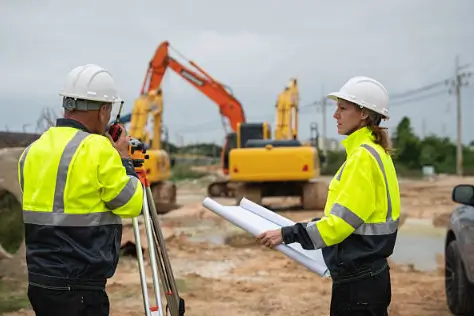
A strong foundation is one of the most critical components of any construction project. Whether you’re building a residential home, commercial property, industrial facility, or infrastructure project, the quality of the foundation directly impacts the structure’s stability, safety, and lifespan.
Choosing the right piling contractor is essential because piling plays a crucial role in supporting structures by transferring loads from the building to stable soil or rock beneath the ground surface. However, achieving reliable results requires specialized knowledge, advanced equipment, and extensive experience. Hiring a professional contractor helps prevent costly construction issues and ensures your project starts on solid ground.
Understanding the Role of a Piling Contractor
A piling contractor specializes in installing foundation systems designed to support structures where traditional shallow foundations may not be suitable.
Piling solutions are commonly used when:
- Soil conditions are poor
- Heavy structural loads are involved
- Construction occurs on sloping sites
- Ground movement is a concern
- Deep foundation support is required
The contractor is responsible for assessing site conditions, recommending suitable piling methods, coordinating with engineers, and ensuring the piles are installed correctly according to project specifications.
Their work forms the backbone of the entire structure, making their expertise vital to project success.
Industry Experience and Expertise
One of the first things to evaluate when hiring a piling contractor is their level of experience.
Piling projects can vary significantly depending on:
- Soil composition
- Project size
- Building design
- Environmental conditions
- Load-bearing requirements
An experienced contractor has likely encountered a wide range of site challenges and developed effective solutions for each situation.
Look for a company that has successfully completed projects involving:
- Residential construction
- Commercial developments
- Industrial facilities
- Retaining walls
- Infrastructure projects
The more diverse their experience, the better equipped they will be to handle complex foundation requirements.
Knowledge of Different Piling Methods
Not every project requires the same type of piling system. A qualified piling contractor should have expertise in multiple piling techniques and be able to recommend the most appropriate solution for your site.
Common piling methods include:
Screw Piles
Screw piles are installed by rotating steel shafts with helical plates into the ground. They are popular for their speed, efficiency, and minimal site disruption.
Bored Piers
Bored piers involve drilling deep holes into the ground and filling them with reinforced concrete to create strong foundations.
Driven Piles
Driven piles are mechanically forced into the ground using specialized equipment and are commonly used for heavy-load applications.
Timber and Steel Piles
These piles are often used in specialized construction projects where specific structural requirements exist.
A contractor who understands the strengths and limitations of each system can provide recommendations tailored to your project’s unique conditions.
Proper Licensing and Insurance
Before hiring any contractor, verify that they possess the necessary licenses, certifications, and insurance coverage.
Proper licensing demonstrates that the contractor complies with industry regulations and local construction requirements.
Insurance is equally important because it protects both the contractor and the property owner in the event of accidents, equipment damage, or unforeseen issues during construction.
Ask for documentation that confirms:
- Business licensing
- Public liability insurance
- Workers’ compensation coverage
- Relevant industry certifications
Working with a properly insured contractor helps reduce project risks and provides peace of mind throughout the construction process.
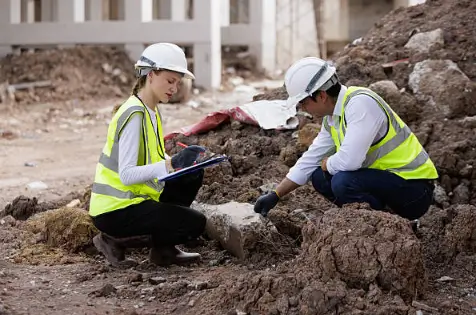
Understanding of Soil Conditions
Every construction site presents unique geological conditions that influence foundation design.
A professional piling contractor should have a strong understanding of soil behavior and geotechnical principles.
Factors that may affect piling design include:
- Clay content
- Soil density
- Groundwater levels
- Rock depth
- Site slope
- Soil reactivity
Sydney and surrounding regions often contain reactive clay soils that can expand and contract as moisture levels change. These conditions require specialized foundation solutions to minimize structural movement.
Contractors who understand local soil conditions can recommend appropriate piling systems that provide long-term stability.
Access to Modern Equipment
Foundation installation requires specialized machinery capable of handling various site conditions safely and efficiently.
Professional piling contractors invest in modern equipment such as:
- Hydraulic piling rigs
- Excavators
- Drilling machines
- Torque monitoring systems
- Surveying technology
Advanced equipment helps improve:
- Installation accuracy
- Project efficiency
- Safety standards
- Quality control
The right machinery also allows contractors to complete projects with minimal disruption to surrounding areas.
Commitment to Safety
Construction safety should always be a top priority.
Piling operations involve heavy machinery, deep excavations, and potentially hazardous site conditions. A professional contractor should maintain strict safety protocols throughout every stage of the project.
Key safety practices include:
- Site hazard assessments
- Equipment inspections
- Operator training
- Compliance with workplace safety regulations
- Emergency response procedures
A contractor with a strong safety culture is more likely to deliver projects efficiently while minimizing risks to workers and property owners.
Strong Project Planning and Communication
Successful piling projects require effective communication between contractors, engineers, builders, and clients.
A reliable piling contractor should provide clear project information, including:
- Scope of work
- Timeline estimates
- Cost breakdowns
- Engineering requirements
- Progress updates
Transparent communication helps prevent misunderstandings and keeps projects moving smoothly from start to finish.
Contractors who maintain open communication channels are often better equipped to address unexpected challenges quickly and efficiently.
Proven Track Record and Reputation
A contractor’s reputation can reveal a great deal about the quality of their work.
Before making a hiring decision, consider reviewing:
- Client testimonials
- Online reviews
- Project portfolios
- Case studies
- Industry references
A strong track record demonstrates consistent performance and client satisfaction across multiple projects.
Ask potential contractors about similar projects they have completed and request examples of successful foundation installations.
Their previous work can provide valuable insight into their capabilities and professionalism.
Engineering Collaboration
Piling systems must often comply with detailed engineering specifications.
Professional contractors work closely with structural engineers and geotechnical consultants to ensure:
- Accurate pile design
- Load-bearing compliance
- Regulatory approval
- Long-term structural performance
This collaboration is particularly important for complex projects involving challenging soil conditions or significant structural loads.
Choosing a contractor who understands engineering requirements can help prevent costly design errors and construction delays.
Cost Versus Value
While price is always a consideration, selecting the lowest quote isn’t always the best decision.
Foundation work directly affects the long-term stability of a structure. Cutting corners during this phase can result in expensive repairs and structural issues later.
Instead of focusing solely on cost, evaluate:
- Experience
- Equipment quality
- Project history
- Safety standards
- Engineering expertise
A professional piling contractor may not always offer the cheapest price, but they often provide greater value through quality workmanship and long-term reliability.
Environmental Responsibility
Modern construction increasingly emphasizes sustainable practices.
Many professional contractors implement environmentally responsible approaches that minimize site impact.
Examples include:
- Reducing excavation waste
- Limiting soil disturbance
- Using efficient machinery
- Following environmental regulations
Environmentally conscious construction practices can improve project outcomes while supporting sustainability goals.
See also: Aligning Technology With Business Success
Choosing the Right Partner for Your Project
Selecting the right contractor requires careful research and evaluation.
Take the time to:
- Compare multiple contractors
- Review qualifications
- Assess project experience
- Verify insurance coverage
- Discuss engineering requirements
- Request detailed proposals
A trustworthy contractor will be transparent, knowledgeable, and committed to delivering quality results.
One company offering excavation, piling, and foundation support services throughout Sydney is MRN Excavations, which provides tailored solutions for residential, commercial, and civil construction projects.
Conclusion
Hiring the right piling contractor is one of the most important decisions you’ll make during any construction project. The quality of the foundation directly affects the stability, safety, and longevity of the structure being built.
By evaluating factors such as experience, technical expertise, equipment capabilities, safety standards, and project reputation, property owners and developers can make informed decisions that contribute to successful project outcomes.
A professional piling contractor provides more than just installation services—they deliver the expertise and reliability needed to create strong, durable foundations that support structures for decades to come.
