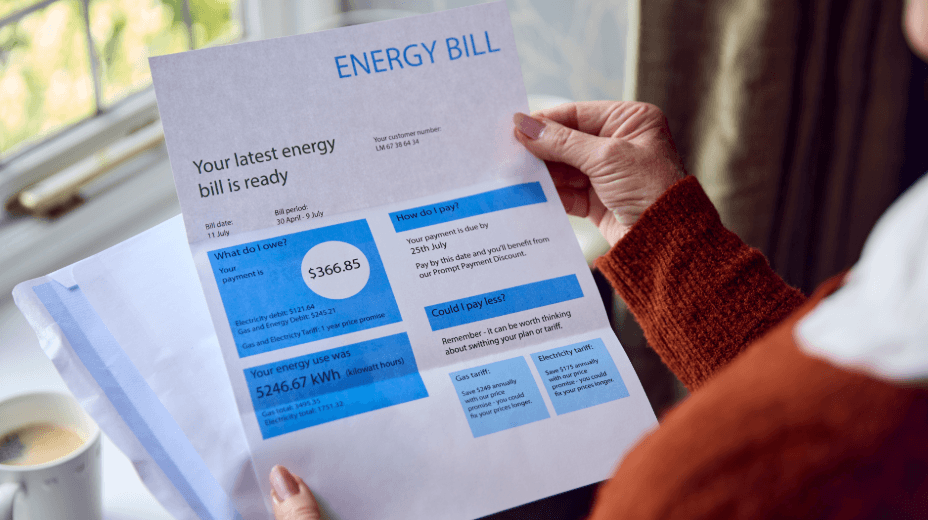
Business energy costs in the UK have drawn significant attention in recent years, yet a large proportion of businesses continue to renew contracts without shopping around or simply remain on expired tariffs without realising how much they are overpaying. At a time when overheads are under constant pressure, energy is one of the few areas where meaningful savings are genuinely accessible without any change to how the business operates day to day.
Comparing business energy tariffs is the starting point for any serious cost reduction effort. Rather than accepting the rate offered by an existing supplier at renewal, businesses that benchmark their current deal against the wider market consistently find that better options are available. Utility Bidder helps UK businesses compare gas and electricity deals from over 20 suppliers, making it straightforward to identify more competitive rates without approaching each provider individually.
What Business Energy Comparison Actually Involves
A business energy comparison is the process of gathering quotes from multiple gas and electricity suppliers simultaneously and presenting them alongside the current contract’s rate. The comparison looks at unit rates and standing charges across available tariff types and contract lengths to identify whether the business is paying a competitive price.
The comparison requires a relatively small amount of input: annual consumption in kWh for electricity and cubic metres or kWh for gas, current supplier details, and the contract renewal date. With this information, a comparison can be run across the full market rather than just the handful of suppliers the business might already be aware of.
Most UK businesses consume energy from two separate contracts, one for gas and one for electricity. Both should be reviewed. Reviewing both simultaneously gives a more complete picture of where overheads can be reduced.
Understanding Why Bills Stay High Without Active Management
The single most common reason businesses overpay for energy is the rollover rate. When a gas or electricity contract expires and no action is taken, the supplier automatically moves the account to an out-of-contract rate. These rates are set without the competitive pressure that a market comparison would apply, and they can be far higher than a properly negotiated deal.
Businesses sometimes remain on these rates for extended periods, particularly smaller operators where energy procurement is not actively managed. The gap between an out-of-contract rate and a well-negotiated fixed tariff can represent thousands of pounds annually even for a modest-sized operation.
Fixed vs. Variable: Choosing the Right Structure
Business energy is available under fixed and variable structures. A fixed contract locks in the unit rate and standing charge for the contract duration, typically one to four years. This provides certainty for budgeting and eliminates exposure to mid-term price increases. For most businesses, particularly those without dedicated energy management resource, a fixed contract is the more practical choice.
Variable or flexible contracts adjust with wholesale market movements. These can produce lower costs during periods of market softness but carry the risk of price spikes. They suit businesses with the capacity to monitor and manage energy procurement more actively.
Using a Comparison Platform for Business Energy
A dedicated business energy comparison platform simplifies the process of identifying better rates. Rather than approaching each supplier directly, a comparison service presents multiple quotes from across the market in one place. Many platforms provide support through the switching process, handling supplier communication and paperwork. Switching does not affect supply, and most transfers can be timed to start at the expiry of the existing contract.
See also: Beginner’s Guide to Local Business Online Marketing in 2026
Frequently Asked Questions
Q: Can a business compare gas and electricity at the same time? A: Yes. Many comparison platforms handle both simultaneously, allowing businesses to review both contracts in a single process.
Q: How much can a typical small business save by comparing energy suppliers? A: Savings vary based on current tariff, consumption level, and market conditions. Businesses switching from out-of-contract rates tend to achieve the largest reductions.
Q: How long does a business energy comparison take? A: The comparison itself takes a few minutes once the required consumption and contract details are gathered. The full switching process typically takes two to four weeks.
Q: Is it worth comparing if I only have one premises and modest consumption? A: Yes. Even low-volume business users can access better rates through comparison. The percentage saving can still be significant relative to what is currently being paid.
Q: Will comparing suppliers commit me to anything? A: No. Comparing rates does not commit a business to switching. It simply shows what options are available so that an informed decision can be made.
