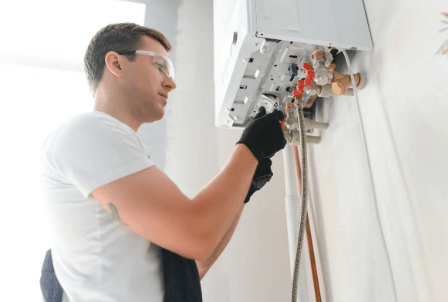
Your water heater is one of the hardest-working appliances in your home. It quietly delivers hot water for showers, dishes, laundry, and more — day after day, year after year. But when it starts showing signs of trouble, you face an important decision: repair or replace? For Tulsa homeowners, making the right choice can mean the difference between a quick, affordable fix and a costly emergency down the road.
Signs Your Water Heater Needs Attention
Before deciding between repair and replacement, it is important to understand what is actually wrong with your unit. Common warning signs include:
- Inconsistent or insufficient hot water
- Rusty or discolored water from hot taps
- Unusual noises such as popping, rumbling, or banging
- Visible leaks around the tank or connections
- Higher-than-normal energy bills
- The unit is more than 10 to 12 years old
When Repair Makes Sense
In many cases, water heater problems can be resolved with a targeted repair. Repair is typically the right choice when the unit is relatively new — less than 8 years old — and the problem is isolated to a specific component such as a faulty thermostat, heating element, or pressure relief valve. These repairs are usually straightforward and cost-effective.
A common rule of thumb: if the repair cost is less than half the cost of a new unit, repair is usually the better financial decision — especially if the unit has several years of useful life remaining. Minor issues like a pilot light that will not stay lit or a tripped circuit breaker are often simple and inexpensive to fix.
When Replacement Is the Better Choice
Sometimes, investing in a new water heater is the smarter long-term decision. Consider replacement when the unit is approaching or past the 10 to 12 year mark, when you have faced multiple repairs in recent years, or when there is significant rust or corrosion on the tank or connections.
Rust inside the tank is a sign of serious deterioration. Once a tank begins to corrode internally, leaks are inevitable — and a leaking water heater can cause significant water damage to your home. In these cases, replacement is not just the better financial choice; it is the safer one.
Choosing the Right Replacement
If replacement is the right choice, you will have several options to consider. Traditional tank water heaters are the most common and typically the most affordable upfront. Tankless water heaters provide hot water on demand and are more energy-efficient over time. Heat pump water heaters offer the highest energy efficiency but require specific installation conditions.
Each option has its own advantages in terms of upfront cost, energy efficiency, and hot water capacity. A qualified residential plumber Tulsa homeowners rely on can help you evaluate your options based on your household’s hot water usage, budget, and available space — ensuring you choose the right system for your home.
See also: Top Builders in Port Macquarie for Quality Home Projects
Simple Maintenance Tips to Extend Water Heater Life
Regardless of whether you repair or replace your water heater, regular maintenance can significantly extend its lifespan. Flushing the tank annually removes sediment buildup that reduces efficiency and causes premature wear. Testing the pressure relief valve ensures it is functioning correctly. Insulating the first few feet of hot and cold water pipes connected to the heater can also improve efficiency and reduce heat loss. A professional plumber can perform these maintenance tasks quickly and identify any developing issues before they become serious problems.
The Importance of Acting Promptly
Whether you need a quick repair or a full replacement, acting promptly is key. A failing water heater can lead to cold showers, water damage, and higher energy bills. Sediment buildup in the tank reduces efficiency and accelerates wear, so even a unit that is still functioning may benefit from a professional inspection and flush.
Do not wait until the problem becomes an emergency. Contact a qualified plumber to assess your water heater and recommend the best course of action for your home. With the right guidance, you can make a confident decision that protects your comfort, your home, and your budget for years to come.
