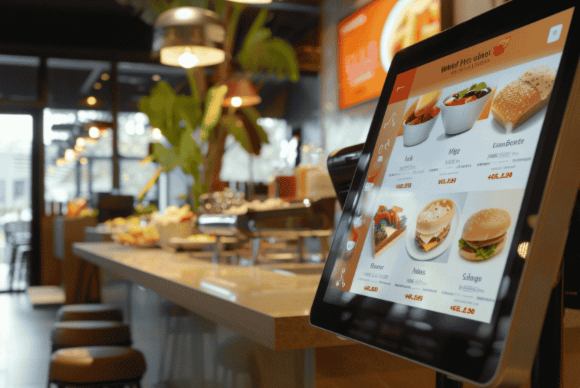
A restaurant owner and a boutique owner asking for a POS quote from the same provider should never expect to see identical numbers, yet plenty of software vendors still price as though every business operates the same way. Reviewing Industry-Specific POS Pricing reveals just how differently costs break down once you account for the tools each type of business actually depends on to run a normal day.
Two Businesses, Two Very Different Daily Operations
A restaurant’s checkout system needs to talk to a kitchen display, manage table assignments, handle split checks, and calculate tips, none of which a retail shop has any use for. Meanwhile, a retailer needs detailed SKU-level inventory, barcode scanning, and purchase order tools that a restaurant rarely touches. Pricing that ignores this difference either overcharges one business for tools it won’t use or undercharges the other by leaving out something essential.
See also: Why More Families Are Choosing Swim Lessons in Surprise, AZ
Where the Restaurant Premium Comes From
Kitchen display integration, table and floor plan management, and tip reporting all add real development and support complexity that retail software doesn’t carry. Restaurants also tend to process a higher volume of small transactions during rush periods, which can affect processing rate negotiations differently than a retailer with fewer, larger purchases.
How Hybrid Businesses Complicate the Picture Further
Some businesses don’t fit neatly into either category. A market with a small prepared-food counter, or a brewery selling both pints and packaged merchandise, needs elements of both restaurant and retail pricing structures at once. These hybrid operations should push back on any quote that forces them into a single rigid category, since the right plan often needs to blend features from both worlds rather than picking one at the expense of the other.
Vendors who genuinely understand this space will typically offer modular pricing that lets a hybrid business add exactly the combination of tools it needs, rather than upselling an entire second plan just to access one or two additional features.
Where the Retail Costs Concentrate Instead
Retailers lean more heavily on inventory management, especially businesses carrying hundreds or thousands of individual SKUs across multiple variants like size and color. Barcode label printing, purchase order automation, and vendor tracking all represent costs that a restaurant’s pricing structure simply doesn’t need to account for.
The Danger of a One-Size-Fits-All Quote
When a vendor quotes the exact same base price regardless of industry, it’s worth asking pointed questions about what’s actually included. A suspiciously identical quote for a taco shop and a hardware store usually means one of two things: either the features are genuinely interchangeable, which is unlikely, or one business is quietly paying for capability it will never use.
What to Ask a Vendor Directly
Ask which features are core to your industry’s plan versus offered as paid add-ons. Ask how pricing changes if you add a second register or a delivery module. And ask for examples of other businesses in your specific industry currently using the platform, since a provider with genuine restaurant or retail experience should be able to speak fluently about the tools that matter most to you.
Comparing Total Cost, Not Just the Sticker Price
A restaurant plan that looks expensive on paper might actually save money once you factor in reduced order errors from integrated kitchen displays. A retail plan with a higher inventory module cost might pay for itself several times over by preventing stockouts on your best-selling products. Judge pricing against the problems it solves for your specific operation, not against a number on a comparison chart.
It also helps to think in terms of cost per transaction rather than a flat monthly number alone. A restaurant processing hundreds of covers a night and a boutique processing a dozen sales a day will experience the same monthly fee very differently once you divide it across actual sales volume, which is a useful lens when two quotes look similar at first glance.
Signs You’re Looking at a Well-Matched Plan
A quote built for your industry should read like it understands your business. It should reference the specific challenges you deal with daily, whether that’s table turnover during a dinner rush or seasonal inventory swings on a retail floor, rather than reciting generic software features that could apply to nearly any type of business.
If a sales conversation feels like it could be copy-pasted for any business regardless of industry, that’s usually a sign the pricing behind it was built the same generic way, and you’ll likely end up negotiating for features that should have been included from the start.
Bringing It Together
Restaurants and retailers aren’t running the same business, and their software costs shouldn’t pretend otherwise. Look for pricing built specifically around your industry’s daily reality, ask detailed questions about what’s included, and you’ll end up paying for a system that actually earns its cost rather than one padded with features built for someone else’s business entirely.
