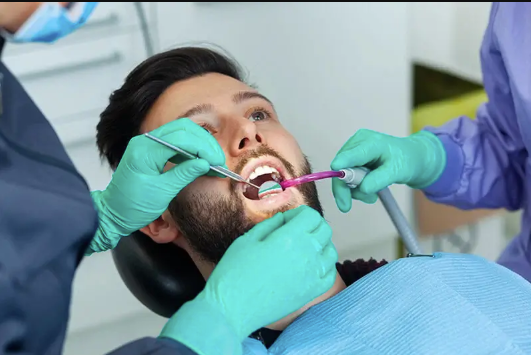
Why Major Dental Care Feels Out of Reach
For many people, the thought of major dental work brings a mix of relief and anxiety. Relief because modern dentistry can restore function, comfort, and confidence. Anxiety because procedures such as crowns, root canals, periodontal treatments, implants, or full-mouth rehabilitation can be expensive. Unlike a routine cleaning, major dental care often involves multiple visits, specialized materials, and advanced clinical skills. Without financial support, the cost alone may cause patients to delay treatment, even when pain or infection is present.
Oral health is closely tied to overall health. Untreated dental infections can spread. Advanced gum disease has been associated with systemic conditions. Missing or damaged teeth can affect nutrition, speech, and self-esteem. Yet cost remains one of the most common barriers preventing timely care. That is why being eligible for dental insurance is not just a technical detail. It can represent a significant opportunity for those who need substantial treatment.
Eligibility often determines whether a patient moves forward confidently or postpones care indefinitely. When coverage is available, it changes the conversation from “Can I afford this at all?” to “What portion is covered and what are my options?” That shift alone can be life-changing.
Insurance Eligibility as a Gateway to Treatment
Being eligible for dental insurance means that a patient meets the requirements of a dental plan, whether through an employer, a private purchase, or a public program. Eligibility typically activates benefits that can help offset the cost of preventive, basic, and sometimes major procedures. While every plan differs, most include some level of coverage for essential treatments beyond cleanings and exams.
For someone facing major dental work, eligibility opens doors. A crown that might otherwise cost hundreds or even thousands of dollars out of pocket may be partially covered. Surgical procedures, periodontal therapy, or prosthetic solutions may fall within a defined benefit structure. Even when coverage does not pay the entire amount, it can significantly reduce the financial burden.
This opportunity goes beyond numbers in a statement. Knowing that coverage exists can encourage patients to seek care earlier. Instead of waiting for a small cavity to turn into a severe infection, patients are more likely to schedule necessary procedures. Early intervention often reduces both complexity and long-term expense. In this way, eligibility supports proactive health decisions.
It also brings psychological reassurance. Dental treatment can feel overwhelming, especially when multiple procedures are recommended. Insurance eligibility provides a framework that helps patients plan. They can understand annual maximums, deductibles, and coverage percentages before committing to treatment. That clarity reduces uncertainty and helps families budget responsibly.
Understanding Dental Insurance Eligibility Verification
While eligibility is powerful, it must be confirmed accurately. This is where dental insurance eligibility verification becomes important. Dental insurance eligibility verification is the process of confirming that a patient’s coverage is active, determining what procedures are covered, and identifying specific plan details such as waiting periods, annual limits, and frequency restrictions.
Practices typically perform dental insurance eligibility verification before major appointments. This ensures that both the patient and the provider understand what portion of the treatment may be covered. Verification often includes checking policy status, confirming effective dates, reviewing benefit percentages for major procedures, and noting remaining annual maximums.
Although dental insurance eligibility verification is a behind-the-scenes administrative task, it has meaningful consequences. When completed thoroughly, it prevents unexpected billing surprises. Patients can make informed decisions based on accurate information rather than assumptions. It also allows dental teams to prepare treatment plans that align with coverage structures.
Importantly, eligibility verification does not guarantee payment, as final determinations depend on claim adjudication. However, it provides a reliable estimate that supports transparency and trust. In major dental cases, that transparency can make the difference between proceeding with confidence and postponing care.
See also: How Often Should You Have Your Carpets Professionally Cleaned?
Major Dental Procedures and Financial Planning
Major dental care often involves restorative or surgical interventions that require careful planning. Implants, bridges, full or partial dentures, and complex periodontal treatments may span several months. When insurance eligibility is confirmed, patients can coordinate treatment phases with benefit timelines.
For example, some plans reset annual maximums at the beginning of the calendar year. Patients who understand this structure can schedule portions of their treatment across benefit periods to maximize coverage. Others may have waiting periods for major services, which makes early enrollment particularly valuable. Being eligible early allows waiting periods to expire before urgent needs arise.
Financial planning becomes more manageable when insurance details are clear. Dental offices frequently provide pre-treatment estimates that outline projected coverage and expected patient responsibility. This level of detail allows patients to explore payment plans, health savings accounts, or financing options for the remaining balance. Rather than feeling cornered by cost, they can evaluate options thoughtfully.
Eligibility, therefore, functions as a stabilizing force. It does not eliminate expense entirely, but it reduces unpredictability. In healthcare, predictability is powerful.
The Broader Impact on Oral Health
When individuals are eligible for dental insurance, the benefits extend beyond a single procedure. Coverage encourages routine visits, which lead to earlier detection of issues. Regular exams and cleanings help identify decay, gum disease, or structural concerns before they require extensive intervention.
For patients who already need major dental work, eligibility can accelerate recovery. Instead of living with chronic discomfort or embarrassment, they can pursue solutions that restore function and appearance. Chewing becomes easier. Speech improves. Smiles feel more natural. These improvements influence daily life in ways that are easy to underestimate.
On a community level, widespread insurance eligibility can reduce disparities in oral health outcomes. Populations with consistent access to coverage are more likely to seek preventive and restorative care. Over time, this contributes to healthier communities and lower rates of advanced dental disease.
It is also worth recognizing the emotional dimension. Dental pain can be isolating. So can visible dental damage. Knowing that coverage exists and that treatment is attainable often brings a sense of relief. Patients feel supported rather than stranded.
Opportunity Through Preparedness
Major dental care is sometimes unavoidable. Teeth fracture. Infections develop. Gum disease progresses. When these situations arise, being eligible for dental insurance can transform what feels like a crisis into a manageable plan.
Eligibility provides financial leverage, but it also promotes informed decision-making. Through processes such as dental insurance eligibility verification, patients gain clarity about their benefits before treatment begins. This clarity fosters trust between patients and providers and reduces the likelihood of unpleasant surprises.
Ultimately, eligibility represents opportunity. It opens access to restorative treatments that protect health and improve quality of life. It encourages timely care rather than delayed intervention. And it empowers patients to approach major dental procedures with knowledge instead of fear.
In the landscape of modern dentistry, where advanced treatments can rebuild smiles and restore function, insurance eligibility stands as a critical bridge between need and action. When that bridge is in place, patients are better positioned to protect their oral health and move forward with confidence.