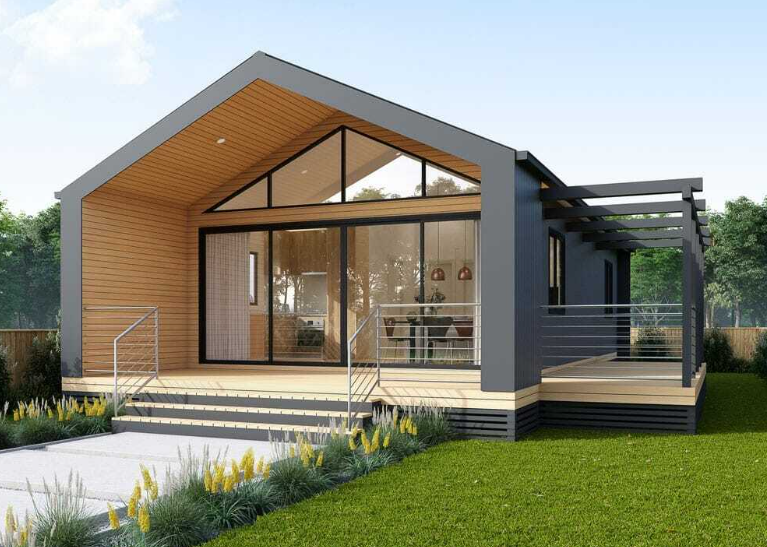
In recent years, granny flats have become an increasingly popular housing solution for homeowners looking to maximize their property’s potential. Whether used as a rental unit, guest accommodation, home office, or living space for extended family, a granny flat offers flexibility, convenience, and long-term value. Choosing the right granny flat builder is one of the most important steps in bringing your vision to life.
This guide explores everything you need to know about granny flat builders, from what they do and how to choose one, to the building process, costs, and key considerations before starting your project.
What Is a Granny Flat?
A granny flat is a self-contained secondary dwelling built on the same property as a primary residence. It typically includes essential living features such as a bedroom, bathroom, kitchenette, and living area. Depending on local regulations, granny flats can be detached, semi-detached, or even integrated into the main home.
Originally designed to house elderly family members (hence the name), granny flats are now used for a variety of purposes:
- Rental income properties
- Guest accommodation
- Space for adult children or relatives
- Home offices or studios
- Short-term rental opportunities
What Does a Granny Flat Builder Do?
A granny flat builder specializes in designing and constructing secondary dwellings that comply with local building codes and zoning regulations. Their role goes beyond basic construction—they manage the entire process from concept to completion.
Key responsibilities include:
1. Design and Planning
A professional builder helps create a layout that suits your land size, lifestyle, and budget. They often provide pre-designed plans or custom designs tailored to your needs.
2. Council Approvals
Navigating permits and approvals can be complex. A granny flat builder typically assists with submitting plans and obtaining necessary approvals from local authorities.
3. Site Preparation
This includes land assessment, soil testing, leveling, and ensuring the site is ready for construction.
4. Construction
From laying the foundation to final finishes, the builder oversees all construction stages, coordinating trades such as plumbers, electricians, and carpenters.
5. Project Management
A dedicated project manager ensures the build stays on schedule, within budget, and meets quality standards.
6. Handover and Compliance
Once completed, the builder ensures the granny flat meets all regulations and is ready for occupancy.
Benefits of Building a Granny Flat
Building a granny flat comes with several advantages:
1. Extra Income
Renting out a granny flat can provide a steady source of passive income, helping offset mortgage payments or other expenses.
2. Increased Property Value
A well-built granny flat can significantly increase your property’s overall market value.
3. Flexible Living Arrangements
Granny flats offer versatile living options for multigenerational families or guests.
4. Affordable Housing Solution
Compared to purchasing a new property, building a granny flat is often more cost-effective.
5. Efficient Use of Land
It allows homeowners to make better use of unused backyard space.
How to Choose the Right Granny Flat Builder
Selecting the right builder is crucial for a smooth and successful project. Here are the key factors to consider:
1. Experience and Expertise
Look for builders with a proven track record in constructing granny flats specifically. Experience in this niche ensures they understand zoning laws, design constraints, and efficient layouts.
2. Portfolio of Past Projects
Review completed projects to assess the quality of workmanship and design style. This gives insight into what you can expect.
3. Licensing and Insurance
Ensure the builder is fully licensed and insured to protect yourself from potential risks during construction.
4. Customization Options
A good builder should offer flexibility in design, allowing you to tailor the granny flat to your needs rather than forcing a one-size-fits-all solution.
5. Transparent Pricing
Request detailed quotes that outline all costs, including materials, labor, permits, and additional fees. Avoid builders who provide vague estimates.
6. Communication and Support
Clear communication is essential. Choose a builder who keeps you informed throughout the process and is responsive to your queries.
7. Client Reviews and Testimonials
Check online reviews and ask for references to gauge customer satisfaction and reliability.
Types of Granny Flat Designs
Granny flats come in various styles depending on your needs and property layout:
1. Detached Granny Flats
These are separate structures built in the backyard. They offer privacy and independence.
2. Attached Granny Flats
Connected to the main house, sharing at least one wall. Suitable for properties with limited space.
3. Studio Granny Flats
Compact, open-plan designs combining living, sleeping, and kitchen areas into one space.
4. Multi-Room Granny Flats
Include separate bedrooms and living areas, ideal for families or long-term tenants.
5. Custom Designs
Fully customized layouts tailored to your preferences, land size, and budget.
The Granny Flat Building Process
Understanding the building process helps set realistic expectations:
Step 1: Consultation
Discuss your requirements, budget, and goals with the builder.
Step 2: Design Phase
Choose from existing plans or create a custom design.
Step 3: Approvals
The builder submits plans for council approval and ensures compliance with regulations.
Step 4: Site Preparation
Includes clearing, leveling, and preparing the foundation.
Step 5: Construction
The actual building phase involving structural work, plumbing, electrical installation, and interior finishes.
Step 6: Final Inspection
The completed granny flat is inspected to ensure it meets all standards.
Step 7: Handover
You receive the keys once everything is approved and completed.
Cost of Building a Granny Flat
The cost of building a granny flat varies depending on several factors:
- Size and design complexity
- Materials and finishes
- Site conditions
- Location and labor costs
- Custom features and upgrades
On average, granny flats are more affordable than building a full-sized home, but prices can vary widely based on customization and specifications. It’s always best to request multiple quotes and compare inclusions carefully.
Legal and Zoning Considerations
Before building a granny flat, it’s essential to understand local regulations:
- Zoning laws may restrict size, height, and placement
- Minimum land size requirements may apply
- Occupancy rules can limit who can live in the granny flat
- Some regions require the granny flat to be part of the same property title
A reputable granny flat builder will guide you through these regulations and ensure compliance.
See also: Top Builders in Port Macquarie for Quality Home Projects
Common Mistakes to Avoid
1. Not Checking Regulations
Failing to understand local laws can lead to delays or rejections.
2. Choosing Based on Price Alone
The cheapest option may not always deliver the best quality or service.
3. Ignoring Site Conditions
Factors like slope, soil type, and access can impact construction costs.
4. Lack of Planning
Not clearly defining your needs can result in design changes and additional expenses later.
5. Overlooking Future Use
Consider whether the granny flat will be used for rental, family, or resale value when planning.
Final Thoughts
Building a granny flat is a smart investment that can enhance both your lifestyle and property value. However, the success of your project largely depends on selecting the right granny flat builder. From initial planning and design to construction and final handover, an experienced builder ensures the process is smooth, compliant, and tailored to your needs.
By understanding the building process, costs, and key considerations, you can make informed decisions and avoid common pitfalls. Whether you’re looking to generate rental income, accommodate family members, or simply expand your living space, a well-designed granny flat offers a practical and versatile solution for modern living.
