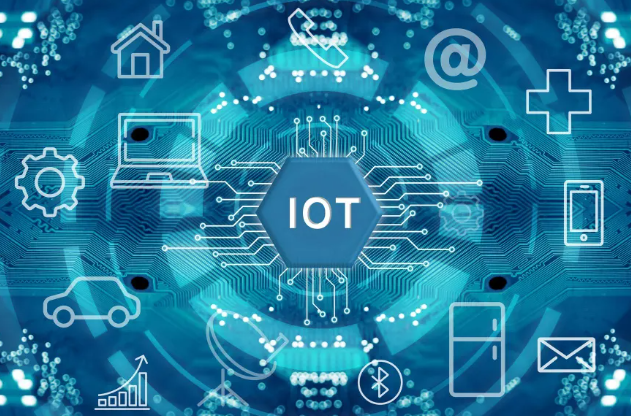
The Internet of Things (IoT) represents a significant shift in how devices interact in the digital age. It encompasses a network of interconnected objects that communicate through the internet, leveraging smart sensors and cloud computing. This technology finds applications across diverse sectors, enhancing efficiency and productivity. However, the rise of IoT also brings forth critical concerns regarding data security and privacy. Understanding these dynamics is essential to grasp the full impact of IoT on modern society.
Understanding the Basics of IoT
The Internet of Things (IoT) represents a transformative paradigm in which everyday objects are interconnected through the internet, enabling them to collect and exchange data.
IoT devices utilize smart sensors and cloud computing to enhance user experience.
However, this interconnectedness raises concerns about data security and the effectiveness of network protocols, highlighting the need for robust measures to safeguard information within this evolving landscape.
See also: What Is Edge Computing and Why It Matters
Key Components of Internet of Things
Key components of the Internet of Things (IoT) include devices, connectivity, data processing, and user interfaces.
Central to this ecosystem are sensors technology, which enables devices to gather data from their environment, and data analytics, which processes this information to derive actionable insights.
Together, these elements empower users to make informed decisions, enhancing efficiency and fostering a sense of autonomy in various applications.
Applications Across Various Industries
Innovative applications of the Internet of Things (IoT) are transforming various industries, driving efficiency and improving decision-making processes.
Smart cities utilize IoT for environmental monitoring, while industrial automation enhances productivity.
In healthcare monitoring, wearables track vital signs, and agricultural technology optimizes crop yields.
Additionally, smart homes improve energy management, and IoT streamlines supply chains, demonstrating its diverse impact across sectors.
Future Trends and Challenges in IoT
As industries continue to integrate IoT solutions, the future landscape of this technology reveals both promising advancements and significant challenges.
Key issues include security concerns and data privacy, which undermine user trust. Scalability issues and integration hurdles complicate widespread adoption, while regulatory challenges may stifle innovation.
Moreover, improving energy efficiency remains essential to ensure sustainable growth in IoT applications across various sectors.
Conclusion
In conclusion, the Internet of Things stands at the precipice of a technological revolution, poised to transform our interaction with the world. While its applications promise unparalleled efficiency and innovation across diverse sectors, the specter of data security and privacy concerns looms large. As society navigates this intricate web of connectivity, one must ponder: will the benefits of IoT illuminate our path forward, or will the shadows of vulnerability lead us astray? The future remains uncertain, yet undeniably compelling.
